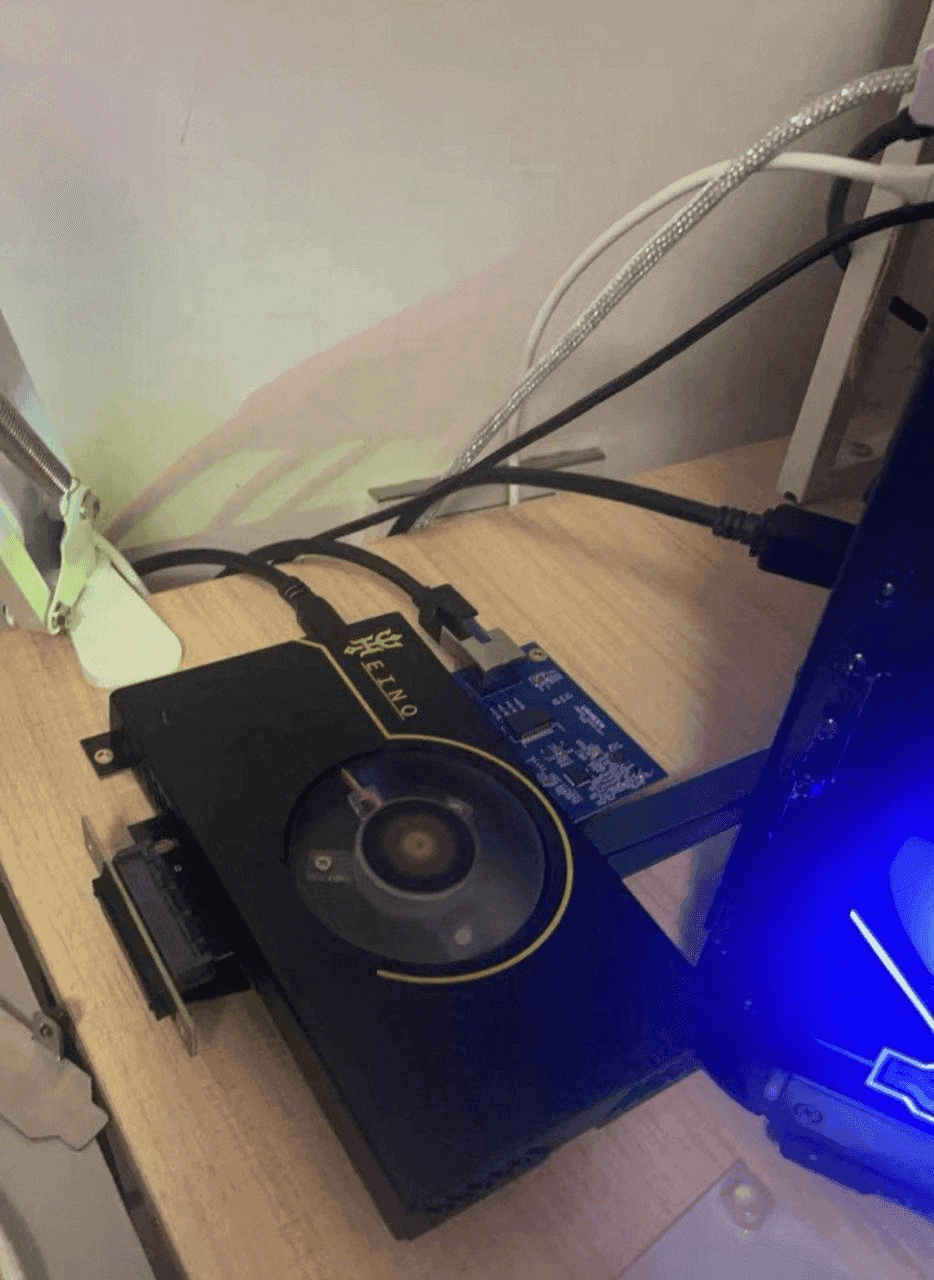
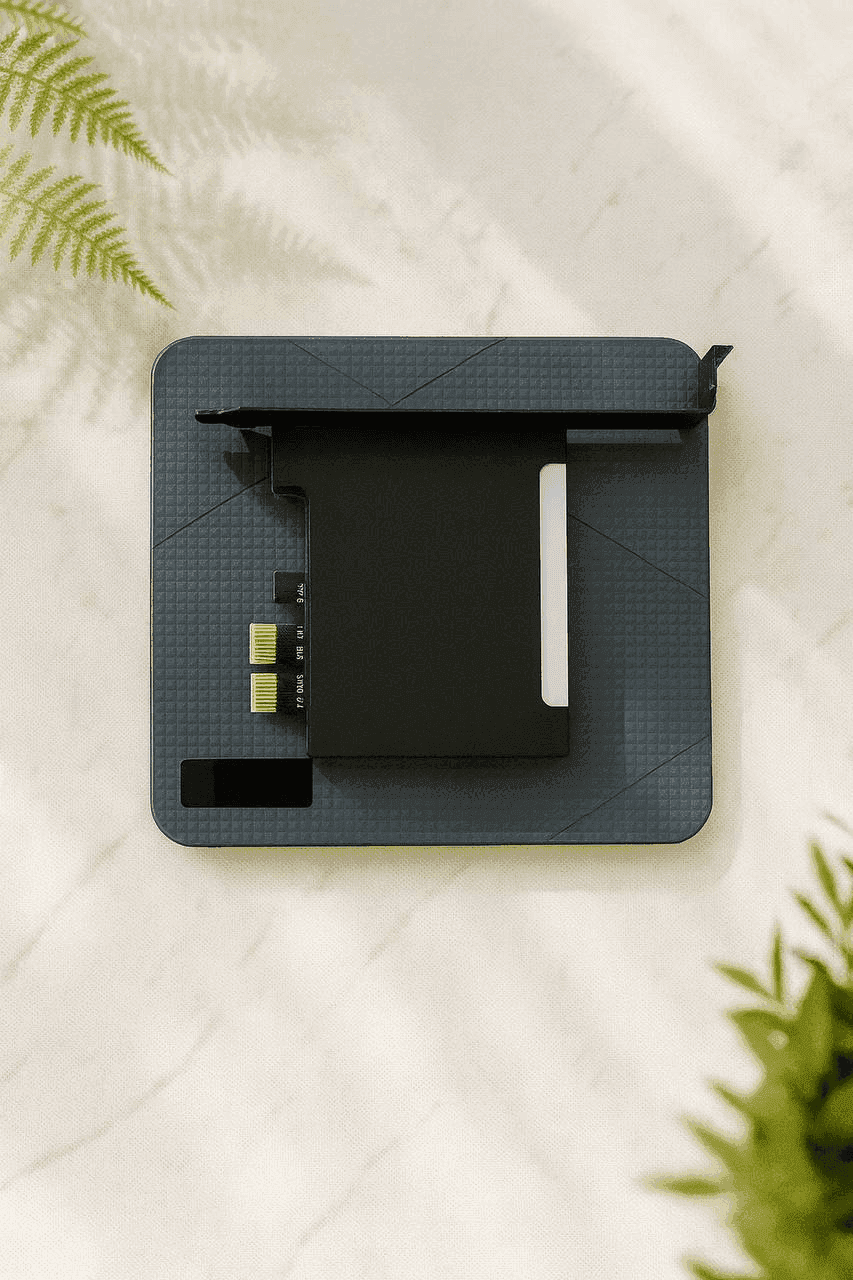
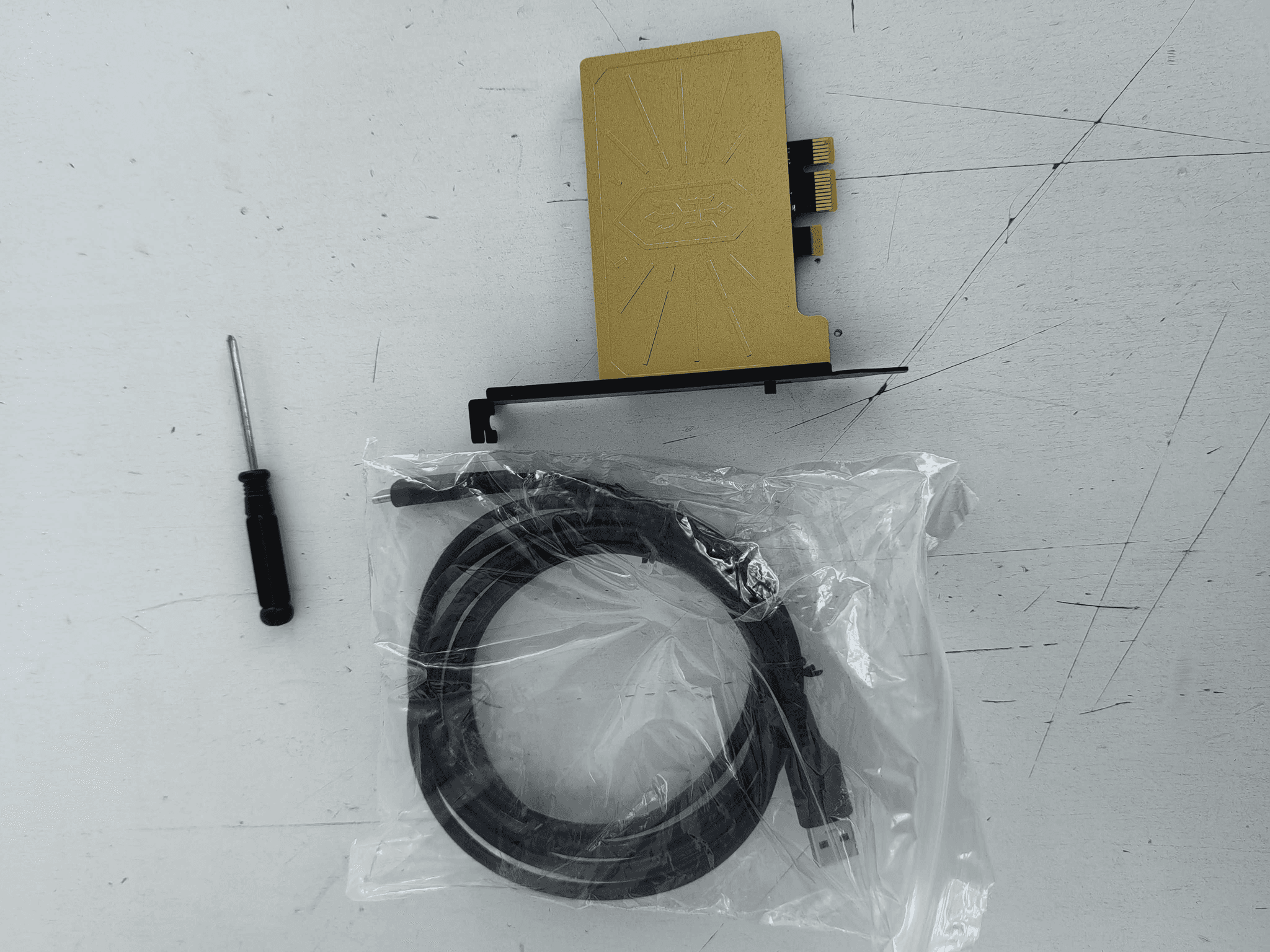
The 100T DMA board is built around the AMD Xilinx Artix-7 XC7A100T FPGA — a compact, high-performance platform for FPGA development, PCIe communication research, embedded-system prototyping and custom hardware acceleration. Its industrial aluminium enclosure, considered thermal design and high-speed USB connectivity suit engineers, developers, laboratories and educational work alike.
Artix-7 100T FPGA
The XC7A100T die carries noticeably more logic resources than the 35T and 75T platforms while keeping excellent power efficiency. The board is built for a wide range of work:
- FPGA development and debugging;
- PCIe communication;
- hardware prototyping;
- embedded design;
- data processing and algorithm verification.
PCIe form factor
The board uses a standard PCI Express card format and installs cleanly into desktop workstations and development rigs. Its compact mechanical structure improves compatibility and holds the card firmly in the slot.
High-speed USB interface
An integrated high-speed USB interface handles convenient data transfer between the board and the host computer, and also serves firmware management and FPGA development workflows depending on the software configuration.
CNC aluminium enclosure
The precision-milled aluminium cover provides:
- better mechanical protection;
- improved heat dissipation;
- greater structural rigidity;
- a clean industrial look.
Laser-engraved branding adds a neat premium finish.
Considered cooling
The aluminium housing acts as a passive heatsink and improves cooling during long development sessions — no additional fan required.